
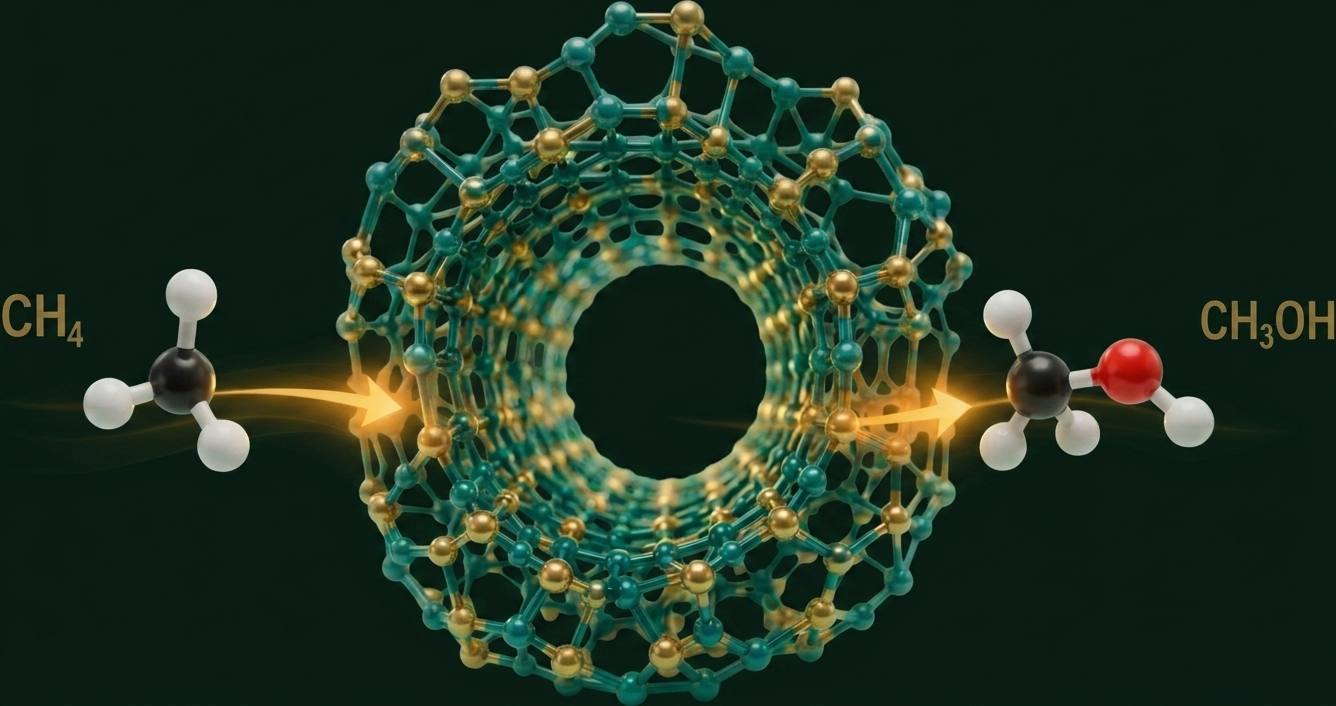
HOW IT WORKS
One step instead of four.
Conventional Route
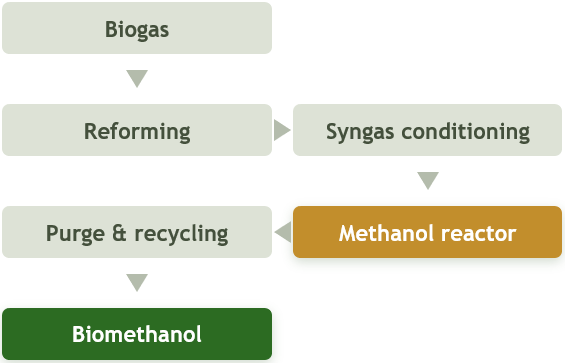
High CAPEX / OPEX —complex – centralized
The NEXTMETHANOL Process
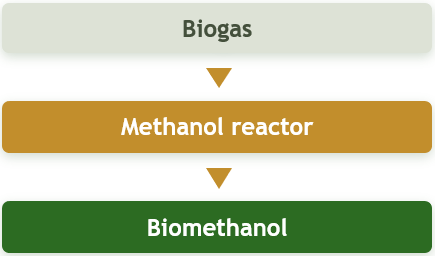
Direct catalytic conversion of methane content in biogas to biomethanol in a single reactor system — everything else falls away.
Low CAPEX/OPEX – Modular · decentralized · scalable – simple
THE OPPORTUNITY
Today, POME biogas is a wasted opportunity
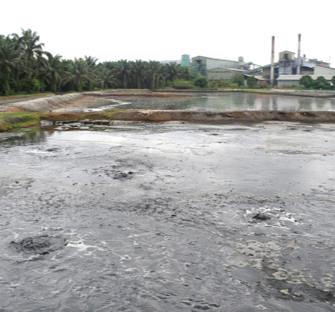
Methane escapes into the air
Untreated POME emits large volumes of methane — a potent greenhouse gas — from open effluent ponds.
Biogas earns too little
Where biogas is captured, it is usually burned for low-value energy instead of being converted into a high-value product.
A single mill looks too small
Volumes at a single mill are far below the scale classical methanol plants need to be feasible.
MARKET POTENTIAL
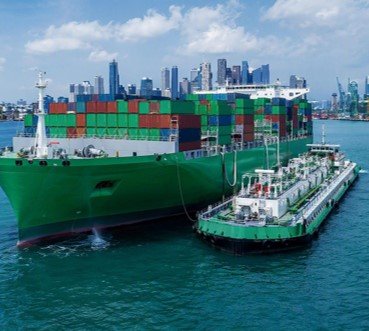
Marine fuel: a global market forming today.
Marine fuel demand
A front-running marine fuel — toward 2050, bunker demand alone approaches ~50 Mt/yr of methanol: the output of roughly 5,000 Next Methanol plants (one per 60 t palm-oil mill, ~10,000 t/yr each).
Singapore bunkering hub
Singapore sold ~3,700 t/day of bio-bunkers in 2025 (+54% YoY) and has licensed methanol suppliers for 2026.
Indonesia’s B50 mandate (~2.5 Mt/yr)
Indonesia’s B50 mandate forces a 50% bio-blend into national diesel fuel which requires ~2.5 Mt/yr of methanol for esterification. This creates an immediate, government-backed domestic market for alternative green fuels.
Premium & CO₂ value
Certified marine-grade methanol earns a premium; the green methanol market may reach ~USD 11 bn by 2030.
Indicative biomethanol price EUR 600–1,000 / t
TECHNOLOGY STATUS
Validated at laboratory & proto scale
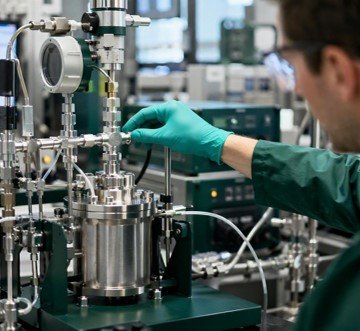
Reactor & catalyst proven
Reactor concept and catalytic process validated in laboratory and proto-scale testing (OST / UMTEC).
Measured productivity
≈ 350 mmol MeOH per gᵣₑₐᴄₜₒᵣ · cycle, with a short ~0.156 h cycle and no purge losses.
Beats literature benchmarks
Measured performance exceeds published results for comparable catalytic systems.
NEXT STEP: Real biogas testing + scale-up to demo